All Categories
Featured
Securing Final Expense Insurance Coverage
Table of Contents
If you're exploring your Medicare options, you're probably knowledgeable about the truth that the numerous parts of Medicare use different types of protection. While Medicare Part A (medical facility insurance coverage) and Medicare Part B (medical insurance) collaborate to use coverage for a lot of health care expenses, Medicare Part D was developed particularly to assist cover prescription drug costs.
Being a wise healthcare consumer is crucial to handling your healthcare costs effectively, and understanding your Medicare strategies and options is a really crucial very first step. Medicare is a federally financed health insurance coverage program for Americans 65 years or older and others who satisfy certain eligibility requirements. There are a handful of Medicare strategies, each using various types of protection.
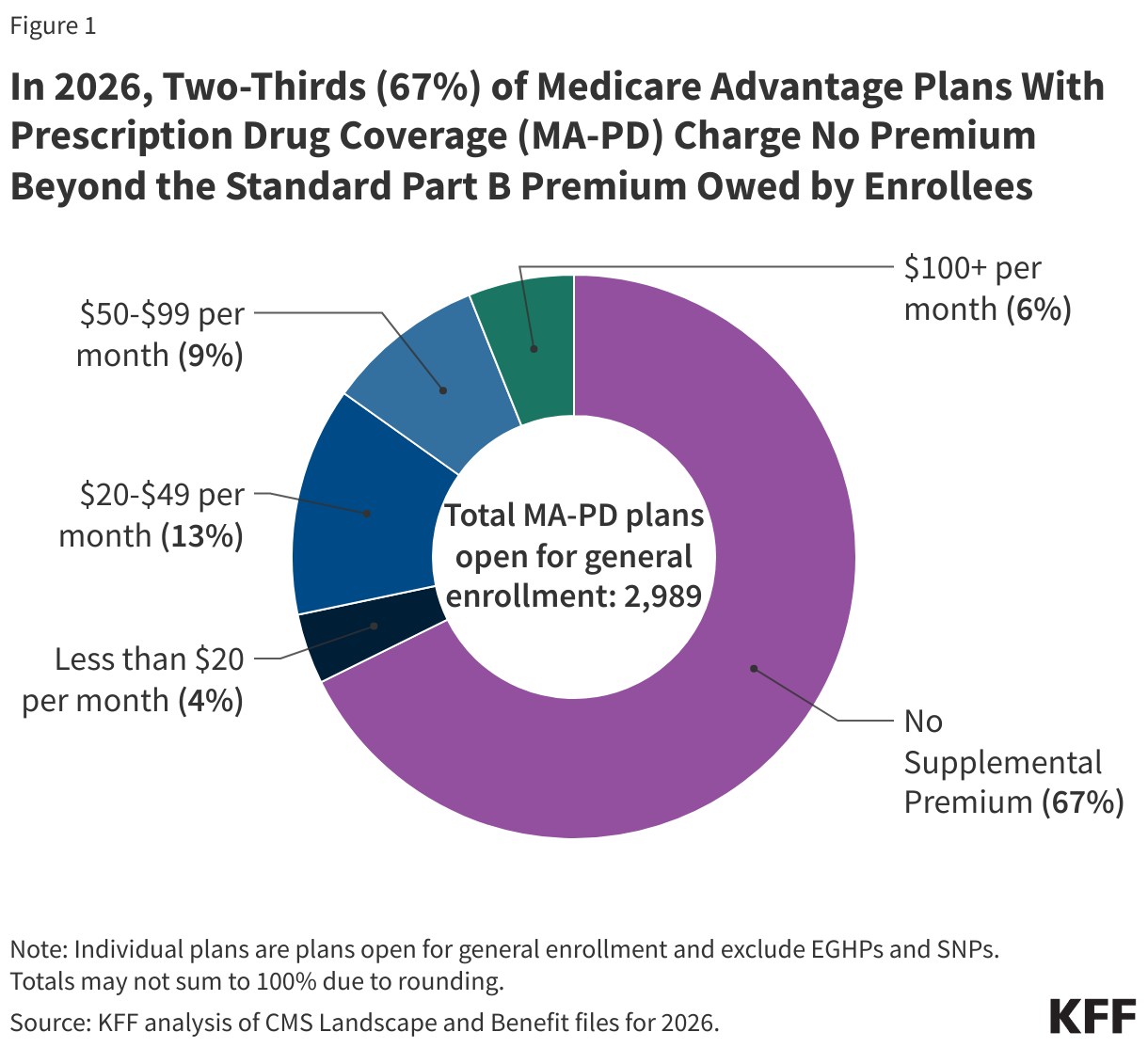
Medicare Part D is a prescription drug protection program that Medicare-approved personal insurance provider offer. This part of Medicare helps enrollees spend for generic and brand-name prescription drugs. 1 Usually, you get approved for a Medicare Part D strategy if you have Original Medicare (Medicare Part A + Part B) or if you have Medicare Part C (Medicare Advantage Plan) that includes drug protection.
Best IUL Policies for Retirement Income
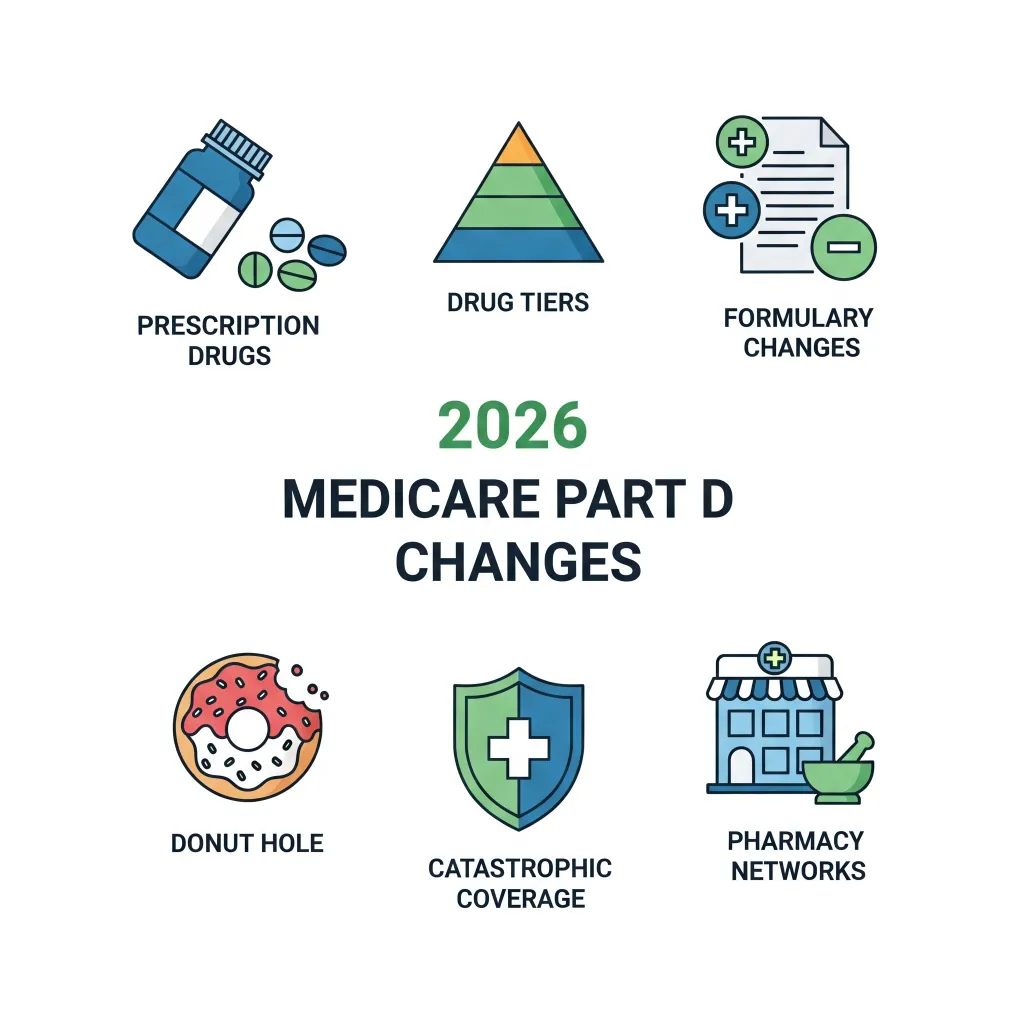
But, there may be distinctions in precisely what medications are covered (called the plan formulary), network drug stores, and cost-sharing guidelines. Simply put, your out-of-pocket costs, where you can use your strategy to get coverage, and just how much cash you may owe will vary based on your particular plan.
Medicare Part D provides protection for a broad range of prescription drugs. 2 While each strategy differs, covered drugs generally include the following: Medications to treat chronic medical problems, such as high cholesterol, high blood pressure or diabetes Particular vaccines, including the Tdap, influenza and shingles shot Some specialized medicines may be covered after receiving previous permission It's essential to keep in mind that each strategy will have its way of covering drugs, understood as the plan formulary.
Lower tiers frequently cover generic medications at lower copays, whereas higher tiers typically consist of brand-name medications or specialty drugs and have greater copays. Before 2025, the Medicare "donut hole" assisted protect beneficiaries from inflated out-of-pocket drug costs. As of Jan. 1, 2025, due to the Inflation Decrease Act, prescription drug coverage cost-sharing is simplified.
Some Medicare Part D plans have a lower deductible but greater premiums, so make certain to review your options carefully. After you've hit the deductible, you will go into the initial protection period. Initial protection period: Once you strike this stage, you will pay 25% of your prescription drug expenses (normally as your copay or premium), as much as $2,000 in 2025.
Once you have actually hit this limit, you'll enter the catastrophic protection period. Catastrophic coverage: After you have actually struck the $2,000 OOPM, you are not responsible for any other covered prescription drug costs for the rest of the plan year. Ask your care team about your medications and cross-reference them with Medicare Part D formularies to much better comprehend what your out-of-pocket health care costs may be if you have prescriptions.
Direct Consumer Advice for Life Insurance Selection
Medicare certification rules are as follows:2 You need to be at least 65; or, You should have a certifying impairment or particular health issues like Amyotrophic Lateral Sclerosis (ALS) or end-stage kidney disease (ESRD) to certify before you turn 65 years of ages. When you've figured out that you certify for Medicare and you're signed up for either the Original Medicare or Medicare Benefit plan, you can comprehend your capability to register for a Medicare Part D plan.
Those who are registered in a Medicare Benefit Plan that has drug protection (called an MA-PD) are already covered under Part D. Generally, you'll sign up for Medicare Part D when you register for Medicare. There are a few various timeframes you should be conscious of if you're thinking about signing up for a Medicare Part D plan:3 The Medicare IEP is the seven-month period that starts 3 months before you turn 65, your birthday month, and the 3 months after that.
You can enlist in Medicare yearly between Oct. 15 and Dec. 7 for protection for the following year. Throughout the yearly open duration, you can sign up with a Medicare Part D strategy, switch plans, or drop your present coverage. Modifications you make will take effect Jan. 1 of the following year.

Latest Posts
Best Term Life Rates for Veterans

Evaluating PPO vs HMO Health Plans
Asset Strategies Using Modern Life Insurance