All Categories
Featured

Low-Cost Life Quotes for US Veterans
Table of Contents
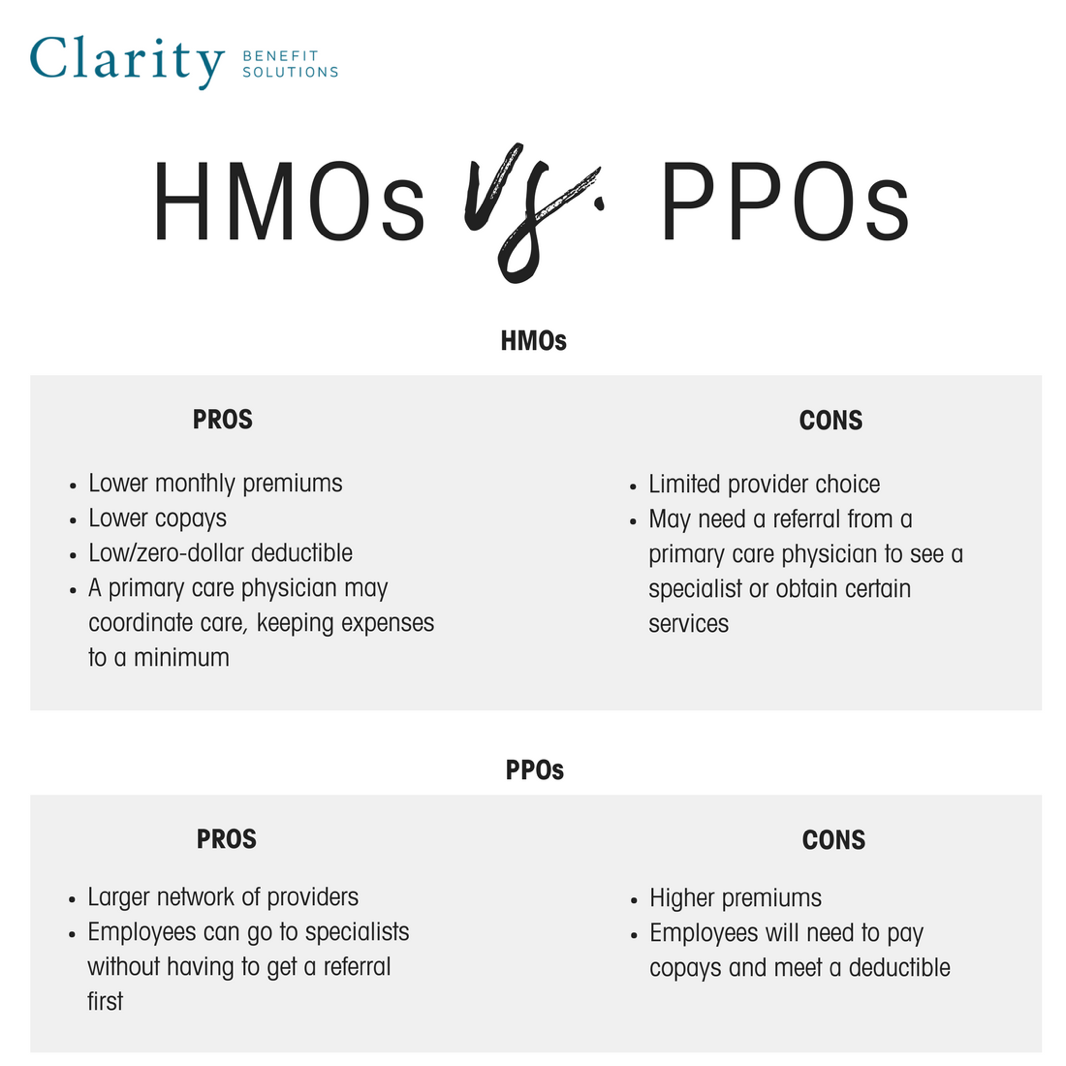
An HMO insurance strategy is typically related to as being more cost-effective due to its lower month-to-month premiums and convenient due to its requirement that clients need to have a medical care physician to handle their care. A PPO insurance plan is understood for its flexibility as it allows clients to handle their own care and seek out different providers/specialists without requiring a referral.
Similar to general insurance coverage plans, the 2 primary Medicare Advantage plans are HMO and PPO.While HMO and PPO insurance plans continue to be the most common choice for clients to select from, there are a range of other insurance options. HMO and PPO insurance coverage plans are the two most typical healthcare insurance coverage plans in the United States.
While these insurance plans are various, they are similar in the sense that they offer a patient with a network of medical professionals, medical facilities, and other healthcare companies that aid members with their health-care journey. "HMO" serves as an acronym for "Health care Company," while "PPO" serves as an acronym for "Preferred Supplier Organization." An HMO insurance coverage plan is focused around a range of healthcare facilities and healthcare suppliers (described as an "HMO network") that have actually consented to treat patients within the network's insurance coverage strategy. A recommendation is needed for a client to see other professionals that are in-network or out-of-network, and often, getting out-of-network care only occurs in emergency situation circumstances. This plan uses lower regular monthly premiums for its customers, making it an affordable insurance option. Low regular monthly premiums. Not as numerous claims to submit due to in-network care.
Typically, lower costs for prescriptions. A client can just see companies within the strategy's network unless they have a recommendation for an outside specialist, or it's an emergency circumstance.
Asset Security with Modern Life Insurance
This plan likewise lets the client collaborate their care and manage which companies they wish to see, versus having a primary care physician. The client has more versatility with which providers they choose to see, whether they're within the strategy's network or out-of-network. The majority of times, there is no requirement for a referral if a client cares to see an out-of-network specialist.
The patient is accountable for managing their healthcare, vice a primary care physician supervising. A 'service provider network' describes the list of medical professionals, specialists, medical facilities, etc that an insurance agency agreements to supply medical services to its plan members. Service providers that are 'in-network' describe the healthcare workers and health centers that are noted in the strategy.
The expenses associated with an HMO plan consist of deductibles, which is the quantity a client should pay before insurance contributions, and regular monthly premiums, which is the quantity gotten of a patient's paycheck. Generally, the regular monthly premiums secured with an HMO plan are lower than a PPO strategy's premiums.
Annually, this resulted in a $6,869 protection on individuals and $19,445 coverage on families, showing a lower regular monthly premium in comparison to a PPO strategy type. Deductibles, regular monthly premiums, and copays are costs frequently associated with a PPO strategy. A lot of times, the regular monthly premiums are taken out with a PPO plan that is more costly than an HMO plan's premiums.
Finding Affordable Individual Medical Quotes
According to the Kaiser Household Foundation 2018 Health Advantages Study, all firms using a PPO insurance coverage plan paid $592 as the regular monthly premium on a private and $1,694 as the monthly premium on a household. Each year, this resulted in a $7,149 coverage on individuals and $20,324 protection on households, showing a higher month-to-month premium in contrast to an HMO strategy type.
When trying to decide which strategy is best, there are lots of elements to think about, with a few of the most crucial being versatility, expense performance, and coordination of care. If it's versatility that is most important, then a PPO insurance plan may be a better suitable for they allow a patient to have more control over which suppliers they see and when, despite a recommendation.

Another advantage to an HMO plan is that it requires a client to have a medical care doctor that collaborates their take care of them. This suggests that with a PPO insurance coverage strategy, the patient will need to handle their own care and oversee which providers/specialists they need to visit. In the end, one strategy is not thought about better than the other.
Health insurance coverage strategies do not cover dental insurance coverage. For additional information on getting an oral plan, such as an oral HMO strategy, 'DHMO plan,' or a dental PPO strategy, 'DPPO plan,' visit this resource. Once an American (who has actually been paying Medicare taxes for a minimum of ten years) turns 65, they certify for the medical insurance plan known as Medicare.

Latest Posts
Low-Cost Life Quotes for US Veterans
Why IUL Policies Support Retirement
Financial Options for US Veterans